
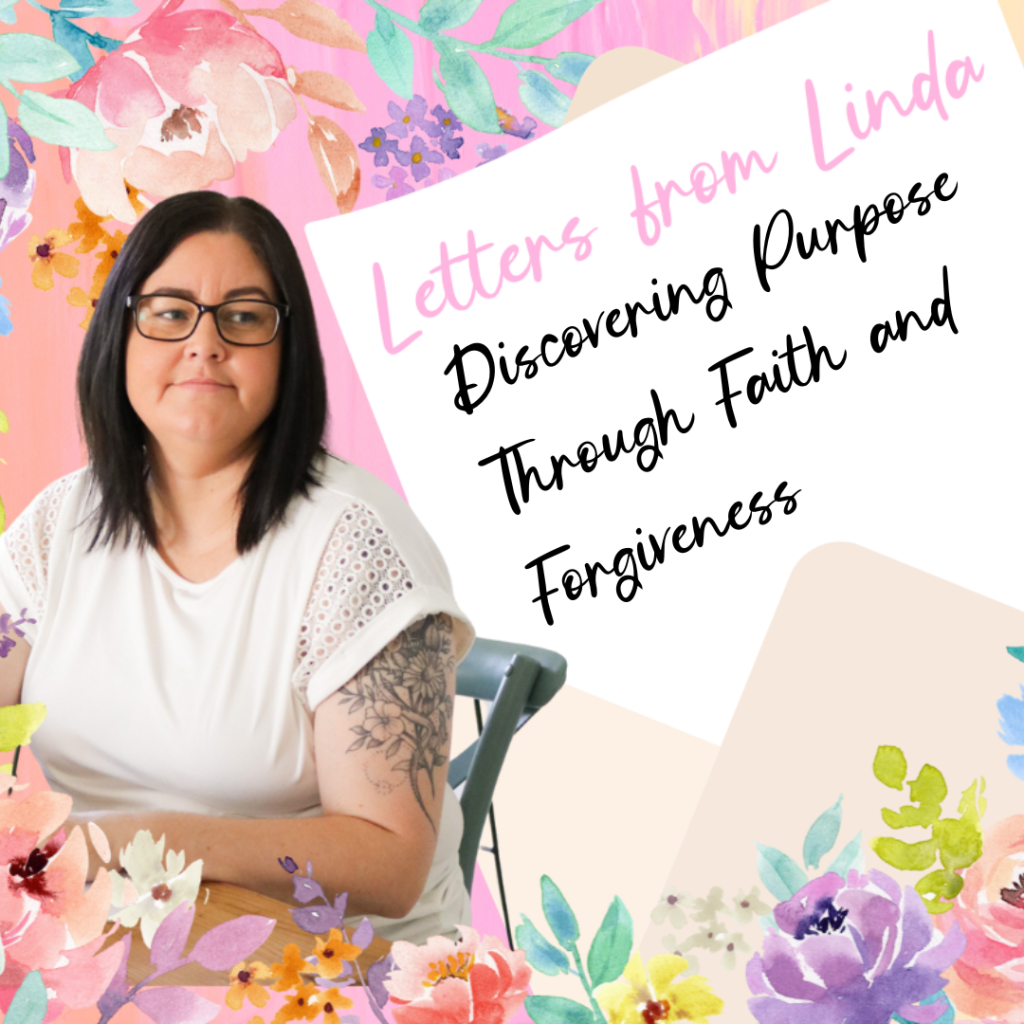
I’ve always felt, deep down, that there was more to my life than a series of coincidences. A sense that I was here for a reason, even when I couldn’t explain what that reason was. It’s what sent me searching through different spiritual spaces for years, including the New Age, before I eventually found myself drawn to Christianity.
What I’ve learned along the way is that purpose can’t take root until we believe our existence itself has meaning. The first step is understanding that the mistakes of our past don’t have to define our future. When we face them honestly, and recognise their impact, they become places of healing and growth. When we treat these as lessons learned we can move forward with grace rather than condemnation.
The realisation that I didn’t need to become flawless before feeling worthy of love is what surprised me the most. The peace I was longing for didn’t come from fixing myself, but from slowly trusting that I was created with purpose. The more I read God’s word, the more I trust what it says about me. The more I trust what it says about me, the more peace I have.
The ache of conditional love
Never feeling like I truly belonged anywhere, I learned early on to hide certain parts of myself. Some of those parts were: my emotions, my love of reading and writing, my inner nerd, and my sensitivity. I learned how to shrink and not to stand out. I didn’t feel like I was enough for my parents, who seemed to prioritise work and money over connection. I didn’t feel like I was enough for friends who hurt me and betrayed my trust, time and time again. Even in my marriage, with a man who loves me deeply, I spent years keeping him at arm’s length. Any time I let him get too close, I felt exposed and raw, as though being fully known was something dangerous.
If you grew up feeling unseen, where love felt conditional, or where you learned to perform, protect yourself, or stay small to feel safe, you’re not alone.
I can’t remember a time before this season of my life. A time when peace and joy felt steady rather than fleeting. And even now, faith hasn’t ‘fixed’ everything. I still have days when old lines I used to tell myself play through my mind and days where moments unexpectedly trigger old wounds in me. But these moments are fewer than they were before, and they affect me much less than they used to.
When Scripture felt like an invitation, not a rule
I used to think of religion as rigid, controlled, and heavy with expectations. Something you could get wrong. But when I began reading the Bible with curiosity, I encountered something very different from what I’d expected. It sounds cliché, but I encountered the heart of Jesus.
One of the first verses that resonated deeply with me was Matthew 5:16:
“Let your light shine before others, that they may see your good deeds and glorify your Father in heaven.”
For years, I had wanted to live openly and honestly, letting my light shine, but I always felt like I fell short. Like I was trying to prove something, justify my place in the world. And any time I grew the courage to let my light shine, the fear of being vulnerable would force me into becoming small once again. What changed was realising that living this way wasn’t about glorifying myself. Doing it to glorify God felt easier. It allowed me to show up as I was, not as someone I was trying to be.
Another passage that resonated with me was Psalm 25:7:
“Do not remember the sins of my youth and my rebellious ways; according to Your love remember me, for you, Lord, are good.”
I had always known love to be conditional, but this verse told me a different story. It said I was lovable despite my past. My mistakes weren’t the defining feature of my life, and God wasn’t tallying my failures to use them against me but seeing me through the lens of love. What I found in Scripture wasn’t a call to hide or perform, but an invitation to come home to who I already was. Who I was created to be.
Loved. Known. Forgiven.
These are the three words that have slowly reshaped how I see myself.
Loved.
It took years for my heart to harden, and sometimes I find the vulnerability and emotions of a softening heart overwhelming, but it is softening, and I’m learning to embrace love and share it with others.
Known.
God knows all parts of me, the good, the bad, and the ugly, and still loves me. He knows my weaknesses and my strengths. I don’t have to hide or pretend.
Forgiven.
The weight of my past, the bad decisions, the moments that chipped away at my spirit, lifted in a way I didn’t realise was possible. Forgiveness replaced shame. Not just forgiveness from God, but forgiveness for myself and for others.
These three words have helped redefine how I see myself. I am loved, known, and forgiven.
If you’re reading this…
Even if finding faith isn’t on your radar right now, I hope something here resonates. You don’t need to land where I have. You don’t need to agree with everything I believe. But if any part of this stirs something in you, even quietly, then I urge you to pay attention.
If you’ve ever felt like you were too much or not enough, too broken or too fragile, I want you to know this:
You are not here by accident.
You are not defined by your past.
You are worthy of love.
Reflection Question
What parts of yourself have you learned to hide or downplay, and what might change if you believed your life has purpose and your mistakes don’t define you?
A short prayer
If prayer feels comfortable to you, I’ll leave you with this:
Lord,
You say I am loved, known, forgiven, and chosen. Help me to see myself through your eyes. Teach me to trust that I was created with purpose, and that your love is unconditional. Fill my heart with peace and joy where there was once doubt and fear. Shine your light where there has been darkness. Thank you for helping me see myself as you see me.
In Jesus’ mighty name, Amen.
 lindahiggins.com.au
Leave a comment